
What’s the Point in Opting for a Rebrand?

You wake up one morning, look in the mirror, and decide, “It’s time for a change.” Maybe you opt for a new hairstyle, trade in your old wardrobe for something a bit more “you,” or even take up yoga. Now, picture a brand doing the same thing—yes, even the yoga part. That’s rebranding for you: a corporate glow-up, if you will.
But why would a brand decide to swap its tried-and-true look for something fresh out of the branding salon? Is it a mid-life crisis or a stroke of marketing genius?
Let’s take a stroll down the rebranding runway with our muse, Pepsi, and see why sometimes, changing your stripes (or in this case, your logo) is more than just a whimsical whim and see it as a strategic move to stay in the limelight, flex those muscles, and maybe, just maybe, wear that old leather jacket in a new, trendsetting way.
Rebranding: If you’re only thinking about changing your logo or updating your website’s color palette, you have to know this is only the beginning. It’s a deep, strategic overhaul that can redefine your company’s identity, values, and direction. But why take the plunge? And once you do, how do you ensure it’s more of a swan dive than a belly flop?
What’s a Brand Manual Anyway?
A brand manual is like the bible for your brand’s identity. It tells everyone exactly how to represent your brand, from the colors and fonts you use to the way you talk about yourself. It’s the go-to guide that ensures no matter who’s working on your brand, they’re all singing from the same hymn sheet.
Reasons for Rebranding
- Staying Relevant: Markets evolve, and so do consumer preferences. A rebrand can signal that you’re keeping pace.
- Differentiating from Competitors: In a crowded market, a fresh identity can help you stand out from the pack.
- Reflecting New Goals, Values, or Offerings: As your business grows or shifts direction, your brand should reflect these changes.
- Recovering from a Negative Image: Sometimes, a brand needs a fresh start to distance itself from past controversies or failures.
Case Study: Pepsi’s Bold Move
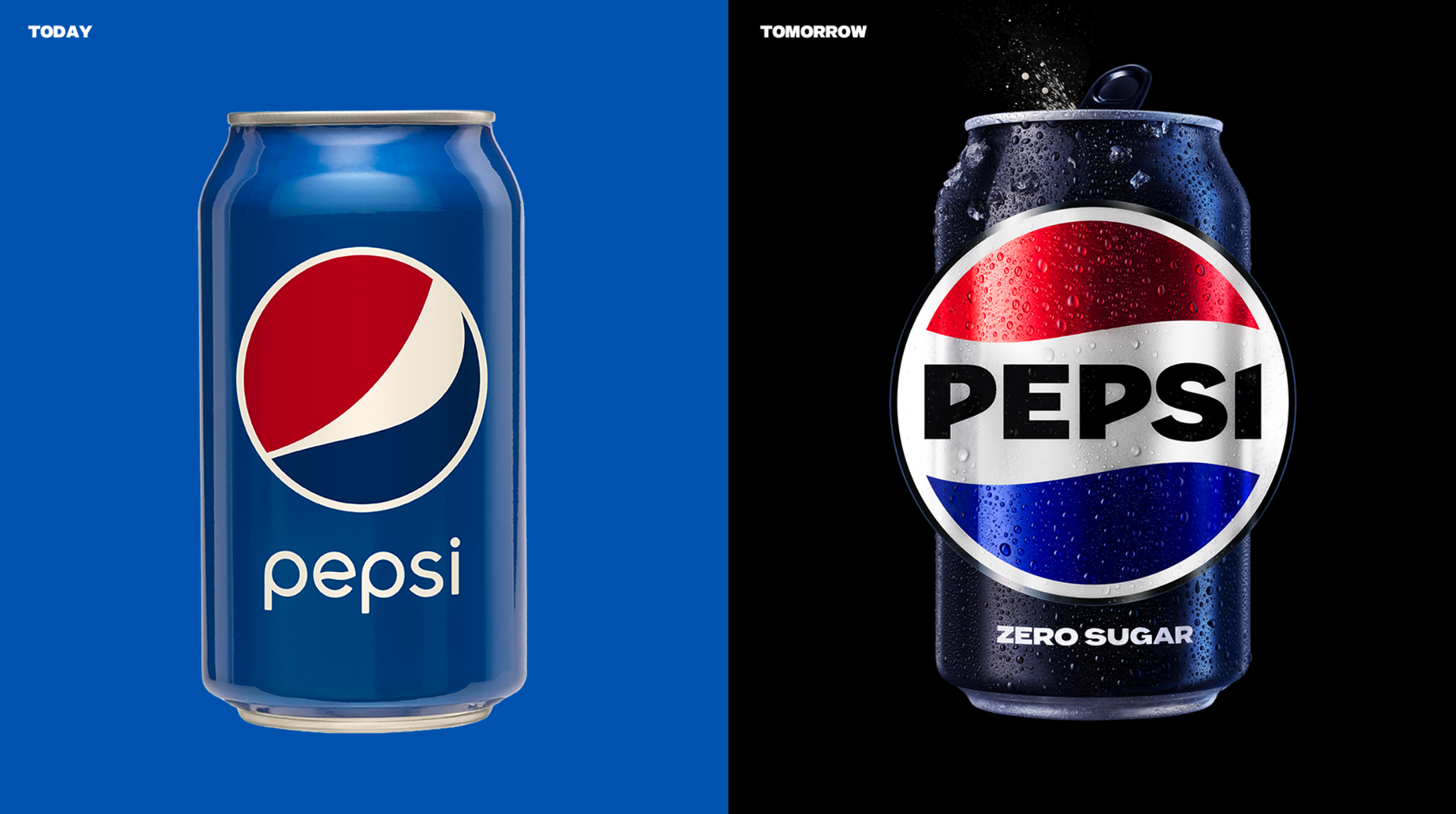
In March 2023, Pepsi embarked on a rebranding journey, its first in 14 years, introducing a new logo that nods to its past yet points squarely to the future. While retaining the classic red, white, and blue, Pepsi’s new visual identity harks back to the 1970s to 1990s logos, blending nostalgia with a modern twist. This rebranding effort was a statement of commitment to healthier options and sustainability, as seen with the emphasis on Pepsi Zero Sugar and the switch to 100% recycled PET plastic bottles.
Public Reactions
The response was a mixed bag, with social media serving as the battleground. Yet, many applauded Pepsi for embracing its rich history and making old fans feel at home again. This move demonstrated that even legacy brands could successfully marry tradition with innovation.
Learning from the Past
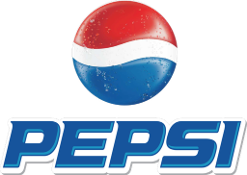
Pepsi’s rebranding history hasn’t been all smooth sailing. The 2008 logo revamp fell flat, criticized for its simplicity and disconnect from Pepsi’s iconic imagery. The 2023 rebrand, however, found the sweet spot between nostalgia and contemporaneity, proving that the brand had learned from its past missteps.
Pepsi’s recent rebrand illustrates the potential of rebranding to rejuvenate a brand, making it relevant for today’s consumers while staying true to its roots. It underscores the importance of balancing tradition with innovation, a crucial takeaway for any brand considering a similar path.
The Rebranding Process
A successful rebrand goes beyond superficial changes, involving:
- Research and Planning: Understanding market trends, competitor analysis, and self-assessment.
- Strategy Development: Defining the new brand identity, mission, and values.
- Design: Creating the visual elements that will communicate the brand’s refreshed identity.
- Implementation: Applying the new branding across all touchpoints.
- Launch: Introducing the rebrand to the world, coupled with strategic marketing efforts.
Measuring Success
Success can be measured through increased brand awareness, improved customer perception, and ultimately, sales growth. Engaging with your audience through social media and surveys can provide direct feedback on the rebrand’s reception.
Challenges and Risks
Rebranding is not without its pitfalls:
- Alienating Current Customers: There’s a risk of losing loyal customers if the new brand identity strays too far from what they loved about the original.
- High Costs: The financial outlay for a rebrand can be significant, from design to marketing.
- Mixed Reactions: Public opinion can be unpredictable. What’s intended as innovation can sometimes be received as inauthenticity.
Remember, in the world of business, standing still is not an option. So, what’s the point in opting for a rebrand? To move forward, to evolve, and to continue writing your brand’s story in a way that resonates with today’s audience.
Convinced that it’s time for your brand to embrace change and embark on a rebranding adventure? Or maybe you’re still on the fence, weighing the potential risks and rewards? Whatever your stance, we’re here to guide you through every step of your brand’s transformation journey.
Dive in with us, and let’s make your brand’s next chapter its most exciting yet. Ready to take the leap? Contact us today and let’s discuss how we can turn your rebranding dreams into a stunning reality.

.svg)